Top Tips for Automatic Transmission Maintenance to Ensure Longevity and Smooth Performance
Your vehicle’s automatic transmission is crucial for smooth operation, yet it’s often overlooked during routine maintenance. Proper care of your transmission not only extends your vehicle’s life but also ensures a smoother and more reliable driving experience. Neglecting this vital component can lead to costly repairs and inconvenient breakdowns. This guide provides essential tips for automatic transmission maintenance, helping you protect your driving investment.
Understanding Your Automatic Transmission
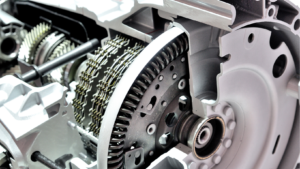
The automatic transmission manages power from your engine, converting it into motion without requiring manual gear shifts. Key components include the torque converter, planetary gear sets, clutches, and the valve body. Each part must function correctly to ensure optimal performance and longevity. For example, low or degraded transmission fluid can cause overheating and wear, leading to serious issues. Understanding these basics helps you appreciate the importance of regular maintenance.

Why Regular Maintenance Matters
Regular maintenance is critical for optimal performance and extending the life of your automatic transmission. Consistent upkeep prevents wear and tear that could lead to costly repairs or total failure. Routine checks and fluid changes serve as protective measures, preventing issues like overheating and contamination. By catching small problems early, you can avoid larger, more expensive repairs later.
How Often Should You Change Your Transmission Fluid?
Changing your transmission fluid is vital. Typically, it’s recommended every 40,000 kilometers (24,000 miles), but this can vary based on driving conditions. For severe use, such as heavy towing or frequent stop-and-go traffic, more frequent changes may be necessary. Regular fluid checks for contamination or low levels are also essential to maintaining transmission health.
Choosing the Right Transmission Fluid
Using the correct transmission fluid is critical for performance and longevity. Always consult your vehicle’s owner’s manual to ensure you’re using the right type. Avoid using cheaper, non-specified fluids, as they can damage your transmission. Opt for high-quality fluids that meet or exceed OEM requirements to ensure smooth operation and long-term reliability.
Inspecting the Hard Parts: Gears and Clutches
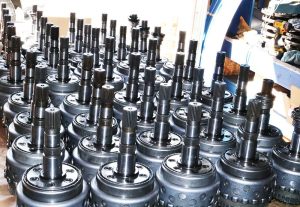
Gears and clutches are essential for your transmission’s operation. Regular inspections can catch early signs of wear, such as abnormal noises, rough shifting, or visible damage. For clutches, watch for slippage, low fluid levels, or a burnt smell. Early detection of issues can prevent costly repairs and extend the life of your transmission.
Keeping an Eye on Soft Parts: Seals and Gaskets
Seals and gaskets prevent fluid leaks in your transmission. Regularly inspect them for wear, cracks, or deformation. Look for fluid leaks under your vehicle, and maintain proper fluid levels to avoid putting undue stress on these components. Preventing leaks is more cost-effective than repairing the damage they can cause.
Checking and Maintaining Electrical Components
Electrical components like sensors, solenoids, and the transmission control unit (TCU) are critical for your transmission’s operation. Regularly inspect these components, ensure clean connections, and maintain your vehicle’s battery and charging system. Proper care of these elements prevents erratic shifting and extends your transmission’s life.
Signs Your Transmission Needs Attention
Recognizing early signs of transmission trouble can save you from costly repairs. Watch for unusual noises, slipping gears, delayed shifting, burning smells, fluid leaks, warning lights, and poor acceleration. Addressing these issues promptly with professional help can prevent further damage.
DIY vs. Professional Maintenance: What You Need to Know
Basic tasks like checking fluid levels or inspecting for leaks can be done at home. However, professional maintenance offers expertise and advanced diagnostics, ensuring comprehensive care. A balanced approach—handling routine checks yourself and leaving more complex issues to professionals—can maximize your transmission’s longevity.
Common Maintenance Mistakes to Avoid
Avoid common pitfalls like ignoring manufacturer recommendations, using incorrect transmission fluid, neglecting fluid levels, overfilling the fluid, and forgetting to replace the filter. These mistakes can lead to significant damage and reduce the lifespan of your transmission.
The Impact of Driving Habits on Transmission Longevity
Your driving habits directly affect your transmission’s lifespan. Avoid sudden acceleration and braking, towing beyond capacity, and overheating. Use overdrive on highways, and shift to neutral or park when idling. These practices reduce strain on your transmission and help it last longer.
Seasonal Transmission Care Tips
Seasonal changes can impact your transmission. In winter, use fluid suitable for low temperatures and allow your engine to warm up. In summer, ensure your cooling system is functioning correctly to prevent overheating. Regular inspections during seasonal transitions can prevent issues before they arise.
Preventative Measures for Transmission Health
Preventative care is crucial for transmission health. Regularly service your cooling system, replace the transmission filter, monitor fluid quality, and seek periodic professional inspections. These steps help prevent major issues and extend your transmission’s life.
How to Spot Early Warning Signs of Transmission Issues
Watch for early warning signs like unusual noises, leaks, delayed or slipping gears, warning lights, burning smells, and vibrations. Addressing these symptoms promptly with professional help can prevent more severe damage and costly repairs.
Benefits of Regular Transmission Inspections
Regular inspections help detect issues early, allow for preventative maintenance, enhance performance, and save money. They provide peace of mind, ensuring your transmission remains in good condition and your vehicle operates safely.
Conclusion
Taking good care of your automatic transmission is key to extending its life and ensuring smooth performance. By following the routine maintenance tips shared in this guide and avoiding common mistakes, you’ll keep your transmission running efficiently for years to come.
Remember, consistency is crucial, and when in doubt, don’t hesitate to consult a professional. Regular inspections and proper upkeep will save you time, money, and headaches in the long run, keeping your vehicle in top-notch condition.
Visit the EFTP website to find out more information about our supply of hard parts and knowledge for automatic transmissions.
With years of industry expertise, we have built a solid reputation as a go-to garage for all things related to automatic transmissions. Whether you’re dealing with transmission repairs, maintenance, or seeking advice on upgrades, we’ve got you covered. Our team stays up-to-date with the latest advancements in transmission technology to ensure we deliver the highest standard of service to our customers https://eftphardparts.com or call our support team at 360-687-3600