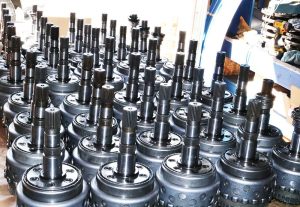
Common Myths About Aftermarket Transmission Parts
When it comes to aftermarket transmission parts, several myths often cloud consumers’ decisions. Let’s debunk some of the most prevalent misconceptions.
Myth 1: Aftermarket Parts Are Always Inferior in Quality
Many believe aftermarket parts are synonymous with poor quality. While this can occasionally be true, it’s not a blanket rule. Reputable aftermarket manufacturers invest significantly in R&D to create parts that meet or exceed OEM standards. The key is to research and choose brands with a solid reputation for quality and durability.

Myth 2: OEM Parts are the Only Safe Option
There’s a common notion that only OEM parts guarantee safety and reliability. However, many aftermarket parts undergo rigorous testing and certifications to ensure they are fit for purpose. Adhering to industry standards, these components can be just as reliable and safe as their OEM counterparts.
Myth 3: Aftermarket Parts Will Void Your Warranty
One of the biggest fears is that using aftermarket parts will void a vehicle’s warranty. While this was more accurate in the past, legislation like the Magnuson-Moss Warranty Act ensures that warranties cannot be voided simply due to the use of aftermarket parts, as long as they meet or exceed OEM specifications.
Myth 4: Aftermarket Parts Don’t Fit Properly
Fitment issues are often cited as a major drawback of aftermarket parts. However, most reputable aftermarket companies design their parts as direct replacements for the original components. The key is selecting products from trustworthy manufacturers known for high-quality design and precise fitment.
Myth 5: All Aftermarket Parts Are the Same
Another common myth is that all aftermarket parts are the same, making brand choice irrelevant. This is far from the truth. Just like OEM parts, the quality of aftermarket parts varies widely among manufacturers. Reading reviews and consulting experts can help distinguish good products from poor ones.
By dispelling these myths, you can make more informed decisions when choosing between OEM and aftermarket transmission parts. Understanding the facts will allow you to weigh your options effectively and choose the best parts for your vehicle’s specific needs.
Installation and Compatibility: Ease of Use and Fitment
When installing transmission parts, the differences between OEM and aftermarket options can be significant. Let’s explore how each category fares in terms of ease of use and fitment.
OEM Transmission Parts Installation:
OEM parts are designed specifically for your vehicle’s make and model, ensuring a straightforward installation process. With OEM parts, you can expect:
Precise fitment: Manufactured to the exact specifications of the original equipment, these parts typically fit seamlessly.
Less modification: OEM parts often require little to no adjustments, making installation quicker and reducing the possibility of errors.
Manufacturer instructions: These parts come with detailed, vehicle-specific instructions, simplifying the process.
However, OEM parts might sometimes necessitate specialized tools, adding to the overall installation cost.
Aftermarket Transmission Parts Installation:
Aftermarket parts can vary widely in terms of quality and fitment. Here’s what you might encounter:
Range in compatibility: While many aftermarket parts are designed to fit multiple vehicle models, this can sometimes lead to a less precise fit.
Potential for modifications: You may need to make slight modifications or adjustments for proper installation.
Varied instructions: The level of detail in installation guides can differ significantly between manufacturers.
Despite potential challenges, aftermarket parts often offer innovative designs that can enhance performance, making them worthwhile for those willing to invest more time in the installation process.
Compatibility Considerations:
Regardless of whether you choose OEM or aftermarket parts, always verify the part numbers and specifications. Ensure features such as mating surfaces and critical attributes match your vehicle for optimal compatibility and performance.
Case Studies: When OEM Parts Outperform
Consider a high-end luxury vehicle with a failed transmission valve body. The owner opted for an OEM replacement part, despite its higher cost. The new valve body, manufactured to the exact specifications of the vehicle’s original design, resolved the transmission issues immediately. The high precision and compatibility of the OEM part ensured no calibration issues, maintaining the vehicle’s smooth shifting and overall performance.
Similarly, a logistics company managing a fleet of commercial trucks opted for OEM parts for their reliability in harsh operating conditions. For instance, a truck with a failed planetary gear set was back on the road quickly with an OEM part, avoiding frequent returns to the workshop. This reliability translated to uninterrupted service and long-term cost savings.
These case studies illustrate scenarios where opting for OEM transmission hard parts can provide superior outcomes. Precision engineering and guaranteed compatibility often result in better performance, fewer unexpected issues, and longer-lasting repairs.
Case Studies: Success Stories with Aftermarket Parts
Let’s explore some real-world examples where aftermarket transmission parts have proven their worth.
The Budget-Conscious Rebuild:
A DIY mechanic rebuilding the transmission of a 2008 Honda Accord sourced high-quality aftermarket parts at a fraction of the cost of OEM parts. The final rebuild not only restored the vehicle’s performance but also extended the life of the transmission, delivering smooth shifting and improved drivability.
Performance Upgrade for a Sports Car:
An enthusiast upgraded their Mazda RX-8 with aftermarket parts designed for performance, such as a high-torque capacity torque converter and reinforced planetary gears. The aftermarket parts provided the necessary robustness for high-performance driving, proving that aftermarket options can match or even exceed OEM standards in specialized applications.
Quick Turnaround for Commercial Fleets:
A logistics company faced persistent transmission issues in its fleet of delivery trucks. Choosing aftermarket parts with faster availability minimized downtime, ensuring the fleet’s operational efficiency remained uncompromised.
These cases underscore the versatility and reliability of aftermarket transmission parts. Whether you’re a DIY mechanic, a performance enthusiast, or a fleet manager, the aftermarket space offers solutions tailored to your specific needs without breaking the bank.
Factors Influencing Your Choice: Cost vs. Quality
When choosing between OEM and aftermarket transmission parts, cost and quality are pivotal. Each has unique advantages that can significantly affect your decision-making process.
Cost Considerations:
Aftermarket parts tend to be more affordable than their OEM counterparts, appealing if you’re on a tight budget or replacing multiple components. However, lower prices can sometimes (though not always) reflect differences in material quality and manufacturing processes.
In contrast, OEM parts are typically more expensive but come with the assurance of exact fit and quality. These parts are designed and tested by the vehicle’s original manufacturer, providing peace of mind, especially for high-value or performance-critical applications.
Quality Factors:
The quality of transmission parts is critical to your vehicle’s longevity and functionality. OEM parts meet rigorous standards set by the original manufacturer, offering consistency, reliability, and often extensive warranties. These align well with vehicles requiring precision, such as luxury or performance cars.
Aftermarket parts can be a mixed bag. While many reputable brands offer high-quality components that can match or even exceed OEM standards, cheaper alternatives may sacrifice quality for cost savings. However, some aftermarket innovations offer enhanced features or materials, potentially improving performance or longevity.
Evaluating Value:
Weigh both cost and quality to determine the best value for your situation. For older vehicles or daily commuters, aftermarket parts can provide a cost-effective solution without compromising too much on quality. For newer models or cars that see heavy use, investing in OEM parts might be wiser to ensure reliable, long-term operation.
Environmental Impact: OEM vs. Aftermarket Manufacturing Processes
When considering environmental impact, OEM and aftermarket transmission parts differ. OEM parts are typically manufactured in facilities that adhere to specific environmental standards, often including measures for reducing emissions, managing waste, and conserving energy. These stringent regulations often make OEM parts more environmentally friendly.
The environmental impact of aftermarket parts can vary significantly. Some high-quality aftermarket manufacturers have adopted eco-friendly practices, but the lack of universal regulatory standards means others may not be as environmentally considerate. The divergence in manufacturing practices makes the environmental footprint of aftermarket parts less predictable.
OEM parts, designed to fit and function exactly like the original components, often have a longer lifespan, reducing the frequency of replacements. Aftermarket parts, particularly from less reputable manufacturers, might require more frequent replacements, potentially increasing environmental strain.
Transportation footprint is another consideration. OEM parts are often shipped globally from centralized factories, contributing to a larger carbon footprint. Aftermarket parts, on the other hand, might be sourced more locally, depending on the supplier and manufacturer, potentially reducing transportation-related environmental impact.
When evaluating environmental impacts, research specific brands and their manufacturing practices. Opt for manufacturers that are transparent about their eco-friendly initiatives and adhere to high environmental standards.
Availability and Accessibility: OEM vs. Aftermarket
Both OEM and aftermarket transmission parts have distinct advantages and potential drawbacks in terms of availability and accessibility.
OEM Parts:
OEM parts are often readily available at dealerships and authorized service centers, offering consistent supply. However, pricing and accessibility can vary. Dealerships might charge a premium for immediacy and guaranteed fit. Less common or older model parts might not be as readily available, requiring longer wait times.
Aftermarket Parts:
The aftermarket sector offers a wide range of options. Online marketplaces and automotive shops stock various aftermarket parts, often at competitive prices. This broad availability means you’re more likely to find a part in stock, even for older or less common models.
While broader availability is a significant perk, it does come with potential pitfalls. Not all aftermarket parts are created equal, and you might encounter variability in quality and fit. Choosing the right part requires diligence—checking reviews, verifying the manufacturer’s reputation, and consulting with a trusted mechanic.
Your choice between OEM and aftermarket parts in terms of availability and accessibility will hinge on your immediate needs and specific circumstances.
Expert Opinions: Mechanics Weigh In on OEM vs. Aftermarket
When it comes to the debate over OEM versus aftermarket transmission parts, mechanics are often the deciding voices. Their hands-on experience offers invaluable insights.
OEM Parts: A Mechanic’s Trusty Friend
Many mechanics prefer OEM parts for their proven reliability and ease of installation. Since these parts are made to the exact specifications of the original components, they generally require less troubleshooting and fewer adjustments during installation. This predictability can save time and reduce the likelihood of issues arising from improper fit or subpar quality.
Aftermarket Parts: The Value Proposition
However, not all mechanics are staunch supporters of OEM. Some highlight the value of high-quality aftermarket parts, especially when cost is a concern. These mechanics argue that certain aftermarket brands offer excellent performance at a fraction of the cost of OEM parts. For them, it’s about balancing cost and quality, with the understanding that not all aftermarket parts are created equal.
A Balanced Perspective
Ultimately, many mechanics adopt a balanced approach, choosing OEM for critical components where precision and reliability are paramount, and opting for reputable aftermarket brands in situations where cost is a major factor, or where aftermarket parts offer specific benefits, such as enhanced performance or durability.
Their consensus? Both OEM and aftermarket parts have their place, and the best choice depends on the specific repair scenario, the vehicle in question, and the customer’s priorities.
Conclusion: Making the Right Choice for Your Vehicle
When deciding between OEM and aftermarket transmission parts, consider your specific needs, vehicle type, and budget. OEM parts offer the assurance of quality, fitment, and longevity, often making them the best choice for high-value vehicles or critical components. On the other hand, aftermarket parts can provide significant cost savings and even performance enhancements, particularly for older vehicles or specialized applications.
By understanding the myths, installation considerations, case studies, and expert opinions surrounding these options, you can make an informed decision that best suits your vehicle and driving needs. Ultimately, whether you choose OEM or aftermarket parts, investing in quality will ensure your vehicle’s transmission remains reliable and efficient for years to come.
For more information on our supply of transmission hard parts and expert advice, visit EFTP or contact our support team at 360-687-3600. With years of industry expertise, we are your go-to resource for all things related to automatic transmissions