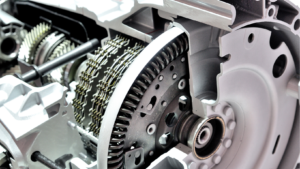
The Future of Automatic Transmission Hard Parts: Innovations and Emerging Trends
Imagine a world where advancements in automatic transmission hard parts revolutionize the automotive industry. We’re not talking about minor tweaks; these are groundbreaking changes that redefine performance, efficiency, and sustainability. This article explores the cutting-edge technologies shaping the future of automatic transmissions, from innovative materials to pioneering manufacturing techniques.

Revolutionary Materials Transforming Transmission Hard Parts
One of the most significant shifts in the transmission of hard parts is the transition from traditional materials like cast iron to advanced alternatives such as aluminum. Aluminum, prized for its lightweight properties, reduces strain on the engine and improves fuel efficiency. However, it does come with challenges, notably lower durability compared to cast iron, leading to increased wear and potentially higher maintenance costs.
Manufacturers are addressing these challenges through innovations like advanced coatings and alloy improvements that enhance aluminum’s durability. Additionally, composite materials are being explored, offering even greater strength while preserving the critical weight-saving advantages.
In parallel, fluid dynamics have seen revolutionary advancements. Synthetic transmission fluids now provide smoother gear transitions, improved clutch engagement, and enhanced oxidation resistance, which prolongs fluid life and overall transmission efficiency.
These innovations in materials and fluids are paving the way for more reliable, efficient, and high-performance transmission systems in the near future.
Advanced Manufacturing Techniques in Transmission Components
The integration of Industry 4.0 technologies is transforming the production of transmission components. Techniques like additive manufacturing (3D printing) are now crucial, allowing the creation of complex geometries that were previously impossible. This capability enables the optimization of internal structures within transmission housings for better performance and reduced weight.
Precision forging and casting techniques, coupled with high-precision molds, are also making significant impacts. These methods produce components with superior strength and durability, crucial for the rigorous demands of automatic transmissions.
Automation in assembly processes further enhances the precision of transmission parts, ensuring consistent quality and reducing the margin for error. Additionally, laser machining provides unparalleled accuracy in cutting and shaping components, allowing for tighter tolerances and better performance.
These advanced manufacturing techniques are elevating the production of transmission components, setting new benchmarks for quality and longevity in the industry.
Innovative Design Approaches in Modern Transmissions
Modern transmission designs are evolving, focusing on efficiency, performance, and reliability. The shift from traditional hydraulic systems to electronically controlled ones marks a significant change, allowing for more precise gear shifts and improved fuel efficiency. These systems adapt to driving conditions in real time, enhancing performance and reducing wear.
Lightweight alloys and composites are being integrated into transmission designs, reducing vehicle weight and improving fuel economy. Multi-clutch systems are another innovation, offering quicker and more efficient shifting, distributing load more evenly across the transmission, and extending component lifespan.
Modular transmission designs are also gaining traction, allowing for easier upgrades and maintenance. This approach simplifies incorporating future technological advancements without needing a complete system overhaul.
Moreover, the adoption of AI and machine learning in transmission design enables predictive maintenance and real-time adjustments, optimizing performance and preemptively addressing potential issues.
Eco-Friendly Innovations in Transmission Hard Parts
Environmental considerations are increasingly influencing the development of transmission hard parts. Advanced materials and processes are leading to less resource-intensive components that maintain high performance and durability. For example, bio-based lubricants and synthetic fluids are reducing reliance on petroleum products, lowering emissions, and enhancing biodegradability.
The shift from cast iron to lightweight aluminum alloys continues, improving fuel efficiency through weight reduction. To counter aluminum’s quicker wear, advanced coatings, and treatments are being implemented to enhance durability.
Sustainability efforts extend to recycling initiatives, where manufacturers are incorporating recycled materials into production. This closed-loop approach minimizes waste and reduces the environmental footprint of producing new components.
The combination of advanced manufacturing techniques, like 3D printing, with eco-friendly materials offers the potential for producing highly efficient, custom-designed components with minimal environmental impact.
The Impact of 3D Printing on Transmission Part Production
3D printing is poised to revolutionize the production of automatic transmission hard parts. This technology allows for the on-demand creation of custom and intricate designs, reducing delays and inventory needs. It also enables the production of lightweight structures that maintain strength and durability, contributing to overall vehicle weight reduction and fuel efficiency.
However, the promise of 3D printing comes with challenges. Ensuring the quality and safety of 3D-printed parts is crucial to maintaining the reliability of transmission components. As the industry embraces this technology, rigorous quality control systems and meticulous material selection will be essential.
Ongoing research is optimizing 3D printing materials specifically for transmission components, aiming to enhance longevity and efficiency. As we move towards more sustainable manufacturing practices, 3D printing offers potential environmental benefits by reducing waste and enabling material recycling.
While 3D printing presents exciting opportunities, it requires a balanced approach to innovation and quality assurance. As technology advances, it could become the industry standard, leading to a more efficient and responsive automotive repair and manufacturing ecosystem.
Conclusion
The world of automatic transmission hard parts is undergoing exciting transformations. With innovations in materials, manufacturing techniques, and design approaches, the industry is on the brink of a new era. These advancements promise to enhance transmission performance and efficiency while making them more sustainable and environmentally friendly.
Looking ahead, we can expect even more groundbreaking developments, such as lightweight alloys, self-healing components, and automated quality control. As these technologies evolve, collaboration between industry leaders and ongoing research will drive progress, ensuring a successful future for automatic transmission hard parts.
For more information about our supply of hard parts and expertise in automatic transmissions, visit the EFTP website at https://eftphardparts.com or call our support team at 360-687-3600.